
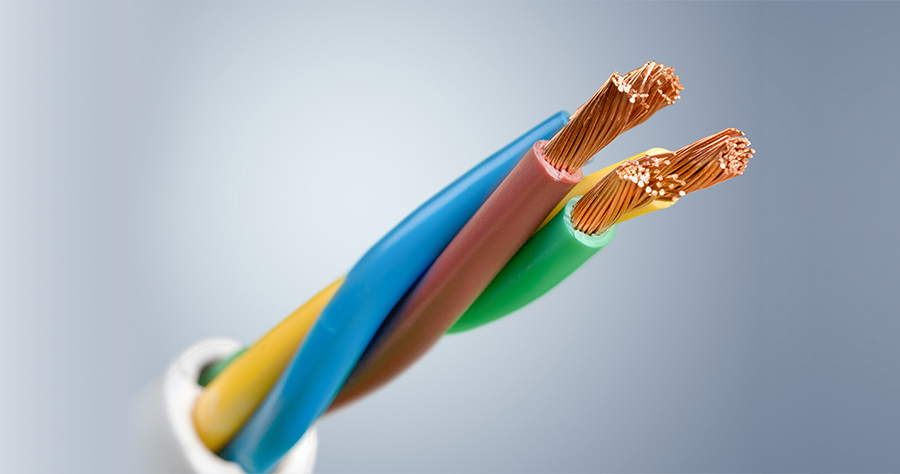
Electrical cables are often installed in environments where they face changing and sometimes harsh weather conditions. Whether it is strong sunlight, heavy rainfall, humidity, or cold temperatures, cables must remain safe and functional. PVC-insulated cables are widely preferred because they are designed to handle such environmental challenges effectively.
PVC (Polyvinyl Chloride) insulation provides strong resistance against moisture. During rainy seasons or in outdoor installations, water exposure can increase the risk of short circuits. PVC acts as a protective barrier, preventing water from directly affecting the conductor inside the cable.
In regions with high temperatures, especially during summer, cables may be exposed to prolonged heat. PVC insulation is manufactured to tolerate operating temperatures without losing its structure under normal usage conditions. This makes PVC cables suitable for residential wiring, commercial buildings, and industrial applications.
Cold weather can also affect cable flexibility. Good-quality PVC cables are designed to maintain flexibility in moderate low temperatures, which makes installation and maintenance easier.
Additionally, PVC insulation offers resistance to dust, minor abrasion, and certain chemicals. In industrial settings where cables are exposed to oils or physical stress, this protection helps extend the cable’s lifespan.
Overall, PVC cables provide a reliable balance of durability, weather resistance, and electrical safety. Their performance in varying climate conditions makes them a practical and trusted solution for long-term installations.


