
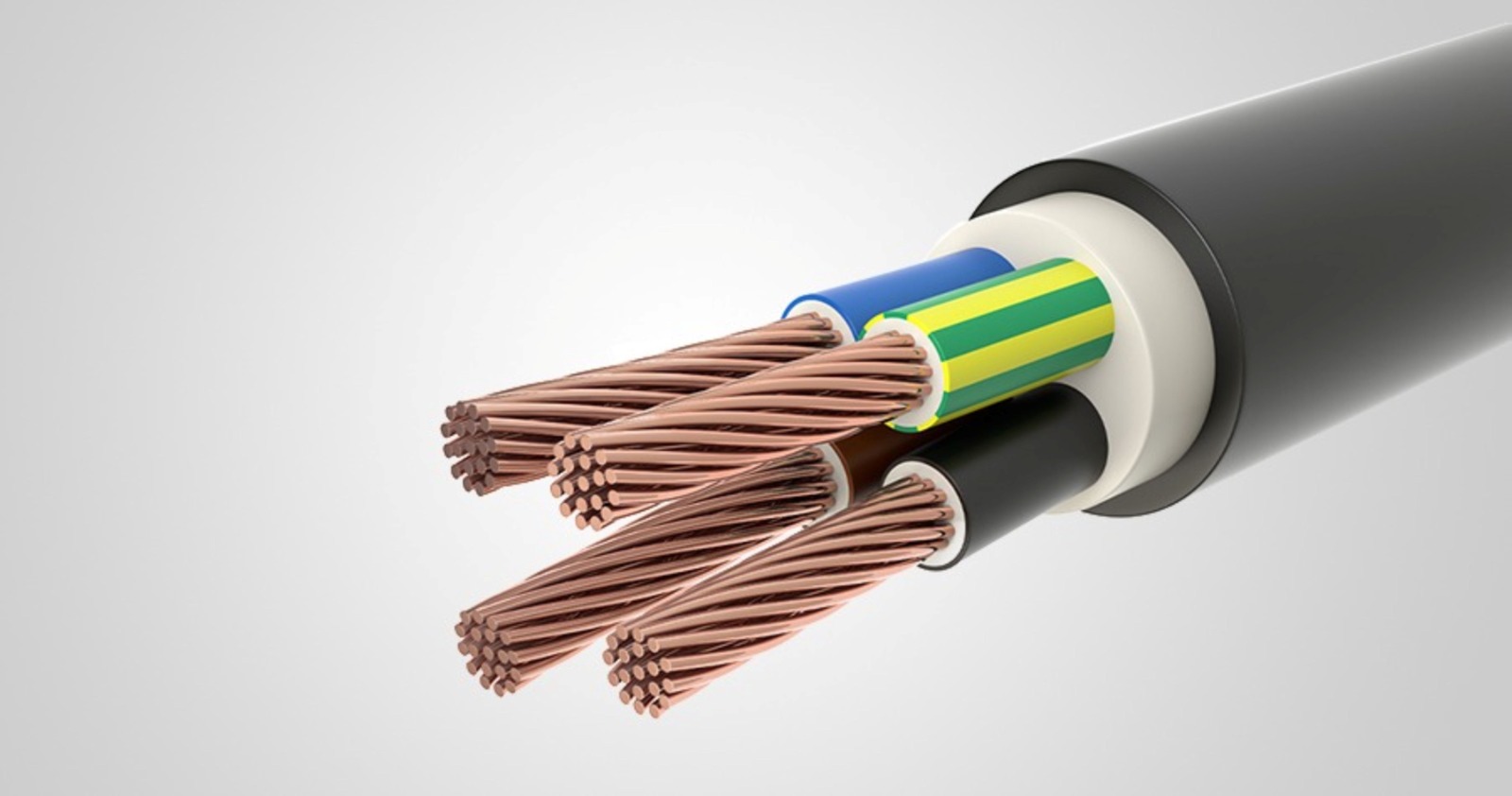
Electrical safety is one of the most important factors in any wiring system, whether it is in homes, offices, or industrial buildings. One key component that plays a major role in maintaining this safety is PVC insulation used in electrical cables.
PVC (Polyvinyl Chloride) is a type of plastic material widely used to cover electrical wires. Its main purpose is to prevent direct contact between live wires and external elements. Without proper insulation, wires can cause electric shocks, short circuits, or even fire hazards.
One of the main advantages of PVC insulation is its excellent resistance to moisture, chemicals, and abrasion. This makes it suitable for both indoor and outdoor installations. In homes, PVC-insulated cables are commonly used in switches, sockets, and distribution boards. In industrial environments, they help protect wiring systems exposed to dust, oil, and varying temperatures.
Another important benefit of PVC insulation is durability. It does not crack or wear out easily under normal conditions, ensuring long-term performance. It also provides flexibility, making cable installation easier and more convenient.
From residential buildings to factories, PVC-insulated cables are trusted because they offer a balance of safety, durability, and cost-effectiveness. By preventing electrical leakage and reducing fire risks, PVC insulation plays a critical role in creating safe and reliable electrical systems.


